The best religious gifts for theology students and scholars are usually the ones chosen with their actual work in mind.
A theology student may be studying biblical languages, church history, ethics, pastoral practice, ancient texts or a highly specialised research question. A gift that is useful for one person may be irrelevant to another.
Before buying, find out what they are studying, what they already own and whether they would prefer a practical study tool, a book or something that marks a milestone.
1. Ask what they are working on
This is the most useful step.
If the recipient is studying a particular biblical book, historical period, language or theological tradition, that information immediately narrows the field.
Useful questions include:
- What module, dissertation or research topic are you working on?
- Which Bible translation or primary-source edition do you normally use?
- Are you studying Greek, Hebrew, Latin or another language?
- Do you prefer print books or digital resources?
- Is there a reference work you need but have not bought yet?
Asking does not make the gift less thoughtful. It reduces the chance of buying an expensive duplicate or an edition the student cannot use.
2. Reference books can be excellent gifts when the edition is right
Commentaries, dictionaries, atlases, concordances, primary-source editions and language reference works can all be useful.
But “a theology book” is not a single category.
A commentary written for introductory readers is different from a specialist critical edition. A translation may use a different textual basis from the one required on a course. A multi-volume reference work may already be available through the student’s university library.
If you are not certain which edition they need, ask for the exact title, ISBN or publisher before buying.
3. Study tools can be safer than guessing at theology
Practical study gifts do not require the giver to predict the recipient’s doctrinal position.
Depending on how the person works, useful possibilities may include:
- a durable notebook or research journal;
- index cards for language vocabulary or references;
- a book stand for desk reading;
- archival-quality page markers or tabs;
- a protective book bag or laptop bag;
- a book token or retailer gift card.
The point is not that every theology student needs these items. It is that practical tools can be chosen around an established working habit rather than an assumed belief preference.
4. Language students need especially specific gifts
Someone studying an ancient language may already be using a particular grammar, lexicon, vocabulary system or digital platform.
A different edition may not match the course.
Before buying a language resource, check:
- the exact language being studied;
- the course or programme;
- the required edition;
- whether the student already has institutional access.
A correct but unwanted reference book is still an unwanted gift.
5. Milestone gifts can mark the occasion without pretending to be study tools
Graduation, completion of a degree, a new teaching post or another significant academic milestone may call for a keepsake rather than a reference work.
That could be a well-made notebook, a quality pen, a book chosen because of a shared conversation, or another object whose significance is personal to the recipient.
The value comes from the connection to the person and occasion, not from making a generic religious object sound academically important.
6. Be cautious with devotional gifts
A theology student’s academic subject does not tell you everything about their personal devotional practice.
Someone may study a tradition historically without practising it. Another person may have very specific preferences about Bible translations, prayer books or devotional writers.
If the gift is explicitly devotional, it is sensible to know that the recipient actually wants it.
7. Specialist digital tools need an especially good fit
Digital tools can be useful gifts or recommendations only when they match the recipient’s actual research interest and access preferences.
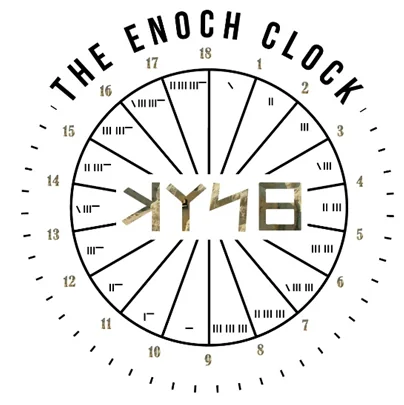
For example, The Master Enoch Clock is a digital companion for exploring The Enoch Clock’s interpretation of the 364-day solar calendar described in the Book of Luminaries, 1 Enoch 72–82.
It is not a scholarly edition of 1 Enoch, an authenticated ancient artefact or a substitute for primary-source study.
Its current access model includes one day with £0 due today, followed by a recurring monthly subscription unless cancelled.
That makes it a highly specific resource rather than a default present for a theology student. It should only be considered where the recipient already has a genuine interest in Enochic calendars and wants this type of digital tool.
What about books from The Enoch Clock?
The current catalogue should be matched honestly to the recipient rather than treated as a general theology-student gift range.
The Little Book of Deuteronomy: A Child’s First Deuteronomy is a full-colour family read-aloud introducing children to Deuteronomy. It is not an academic theology reference.
It may therefore be relevant to someone specifically working with children, families or Scripture education, but that is a narrower use case.
The Enoch Clock’s books page shows the current publishing catalogue so a buyer can judge whether anything genuinely matches the recipient’s interests.
Gifts to avoid buying blindly
Several gift categories need more information before purchase:
- Specialist books: the wrong edition may be unusable.
- Devotional material: it may not match the recipient’s personal practice.
- Language tools: course requirements vary.
- Digital subscriptions: the recipient may already have access or may not want an ongoing service.
- Decorative faith objects: academic interest does not automatically imply that the recipient wants religious decor.
A simple gift-selection test
Before buying, ask five questions:
- Does this connect to something the recipient actually studies or uses?
- Do I know the exact edition, format or version they prefer?
- Do they already own it or have library access?
- Does the gift create an unwanted recurring cost or commitment?
- Would they still value it if nobody else knew it was a “religious gift”?
If the answers are unclear, asking the recipient is usually better than guessing.
Frequently asked questions
What is a thoughtful gift for a theology student?
A thoughtful gift is one matched to the student’s actual work or preferences. That might be a requested reference book, a practical study tool, a book token or a personal keepsake connected to a genuine milestone.
Are theology books always a good gift?
No. Edition, subject, level and existing library access all matter. Ask for the exact title or ISBN when possible.
What is a safe gift if I do not know their theological tradition?
A practical study item or book token is usually safer than choosing a doctrinal or devotional work on their behalf.
Are digital subscriptions good gifts for theology students?
Only when the recipient wants the specific service and understands any ongoing cost. Do not assume that an academic interest automatically makes a subscription useful.
Should a religious gift be decorative?
Only if the recipient actually wants religious decor. Studying theology does not by itself establish their taste in objects for the home or office.